There are no items in your cart
Add More
Add More
| Item Details | Price | ||
|---|---|---|---|

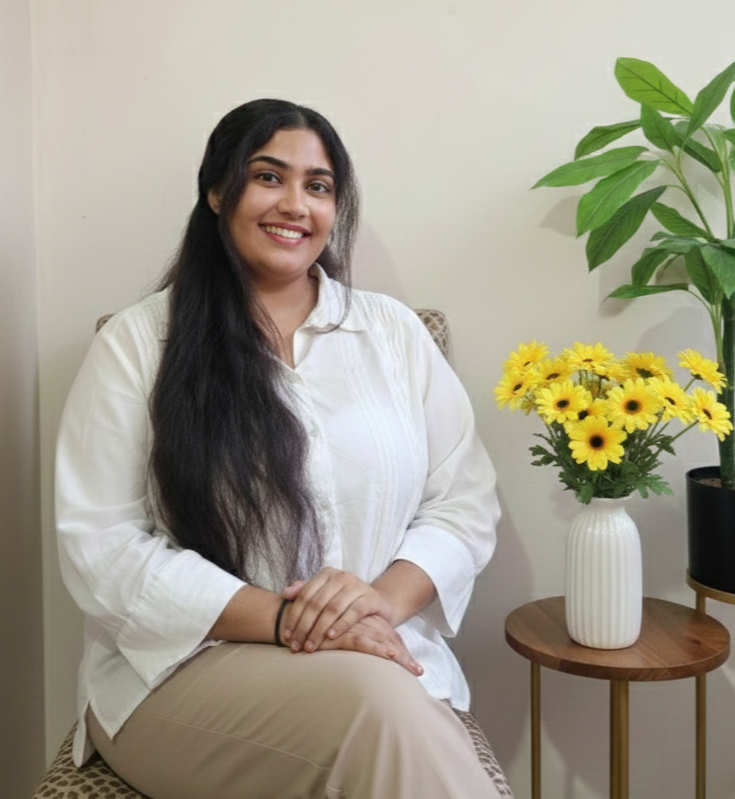
To build an India where every learner- regardless of language, ability, or background-has equal access to meaningful, inclusive, and culturally responsive education.
ILM envisions classrooms where diversity is recognised as strength, multilingualism is celebrated, learning disabilities are identified without stigma, and every child, parent, and educator feels empowered with the tools to thrive
1. Support Children
Identify learning disabilities early and sensitively.
Provide personalised learning interventions using UDL (Universal Design for Learning).
Build confidence through culturally responsive and child-centric pedagogies.
Ensure neurodiverse learners get equitable opportunities to succeed.
2. Empower Educator
Offer free and affordable courses on inclusive education, UDL, differentiation strategies, multilingual education, and classroom management.
Build teacher capacity to recognise learning needs and adapt instruction without stigma or stress.
Share practical toolkits, assessments, and classroom resources.
3. Guide Parents
Help parents understand learning disabilities and language development.
Offer simple, actionable strategies to support learning at home.
Create safe spaces for families to ask questions and seek guidance without judgment.
4. Strengthen Higher Education Access
Provide high-quality training for UGC NET Linguistics, GATE Linguistics, UGC NET Paper 1, and English & Linguistics-based higher education courses.
Ensure representation of students from diverse communities in research, academia, and teaching careers.
5. Promote Multilingual & Culturally Responsive Learning
Develop resources grounded in Indian linguistic diversity.
Advocate for inclusive policies and school-community partnerships.
Use linguistics, cognitive science, and educational research to design sustainable learning systems.
Essence of ILM
At its core, ILM stands for equity, empathy, and empowerment. We work to bridge the gap between learners’ needs and the system’s expectations—creating pathways where every individual can learn, grow, and belong.
 Launch your Graphy